Research Interests
We advance trustworthy and privacy-preserving systems through research in AI, secure infrastructures, and decentralized computing for reliable and ethical real-world impact.






Research Projects
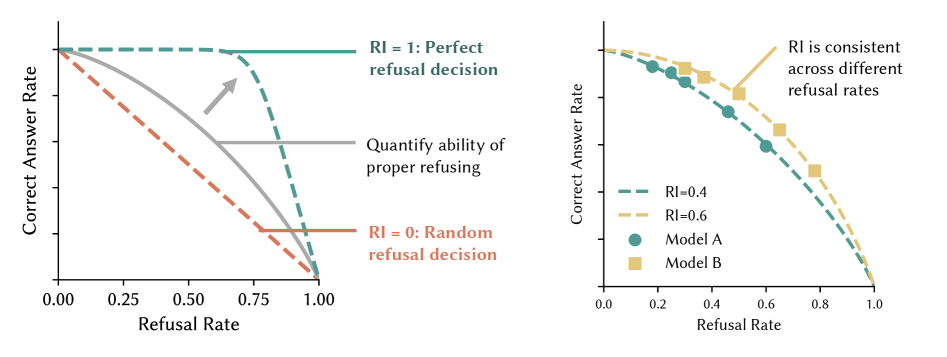
Can LLMs Refuse Questions They Don't Know?
LLM Safety & Alignment
We introduce the Refusal Index to measure whether large language models can recognize the limits of their own knowledge and reliably refuse to answer factual questions they cannot know.
Paper →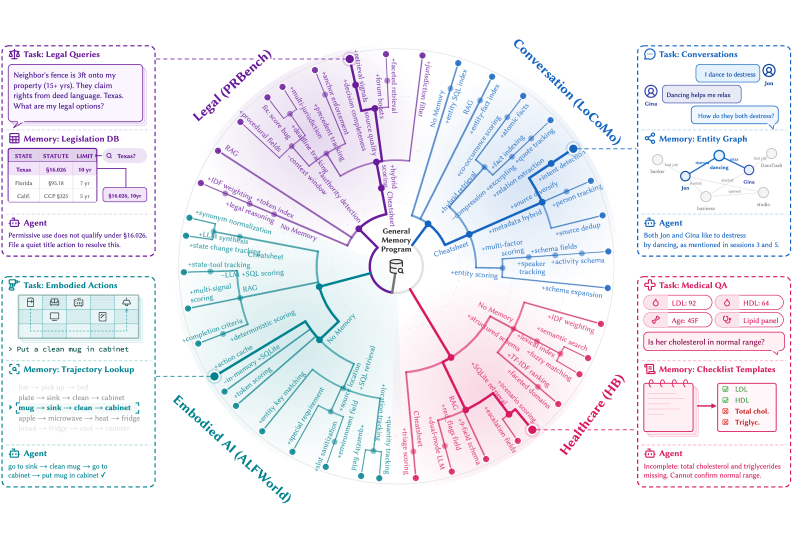
M★: A Memory Harness for LLM Agents
LLM Agents
M★ gives every task its own structured memory harness, letting LLM agents build, retrieve, and reuse task-specific experience for more reliable long-horizon reasoning and tool use.
Paper →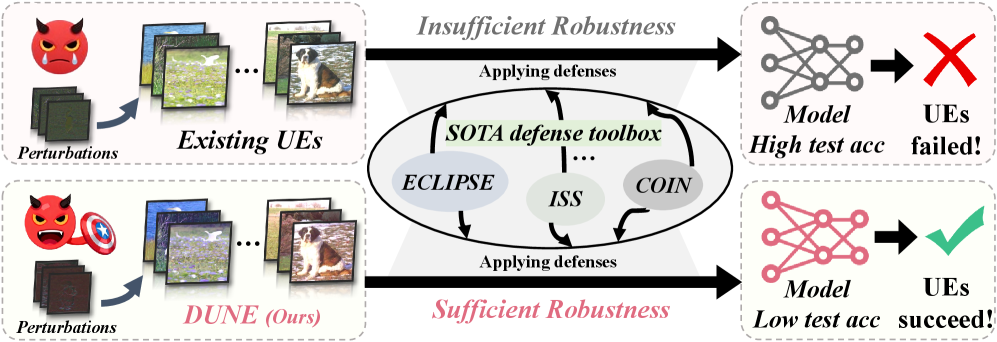
Machine Unlearning & Unlearnable Examples
Unlearning & Data Protection
Two complementary lines of data control: LMCleaner removes the influence of specific data from trained models with certification and no full retraining, while our dual-branch unlearnable examples stop unauthorized models from learning useful features in the first place — robust to adversarial training and purification.
Paper →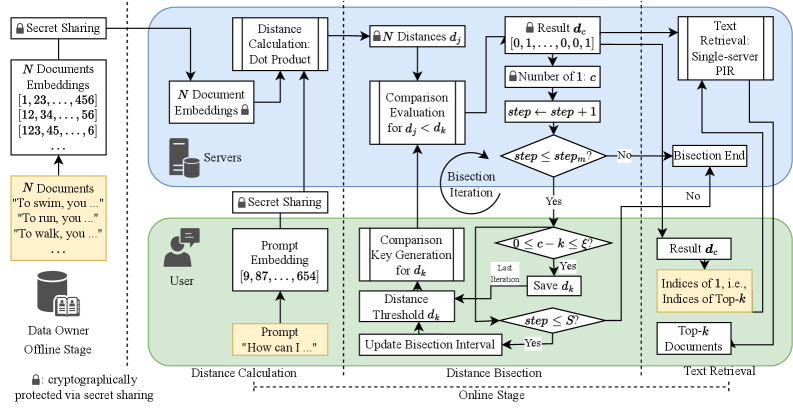
P²RAG: Privacy-Preserving RAG
Privacy-Preserving AI
P²RAG is an efficient privacy-preserving retrieval-augmented generation service that supports arbitrary top-k retrieval without revealing user queries or the underlying knowledge base.
Paper →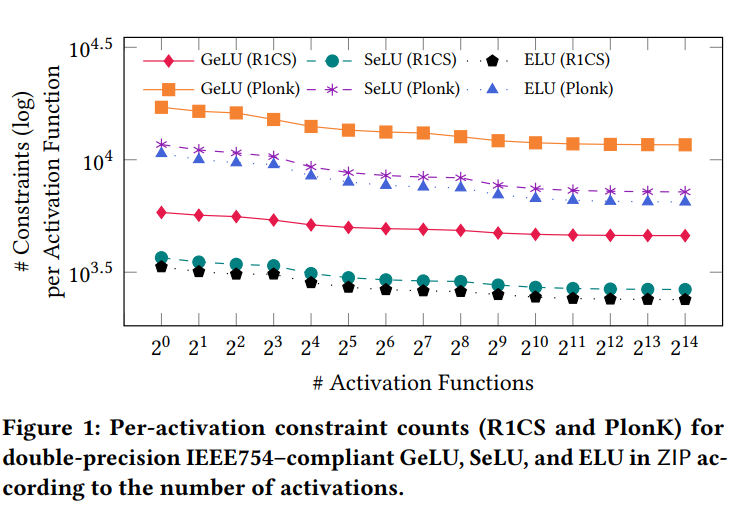
zkNAS: Secure & Efficient Outsourced NAS
Zero-Knowledge & Verifiable AI
zkNAS lets clients outsource neural architecture search to untrusted servers while cryptographically verifying the result, combining zero-cost proxies with zero-knowledge proofs for efficient, trustworthy automated model design.
Paper →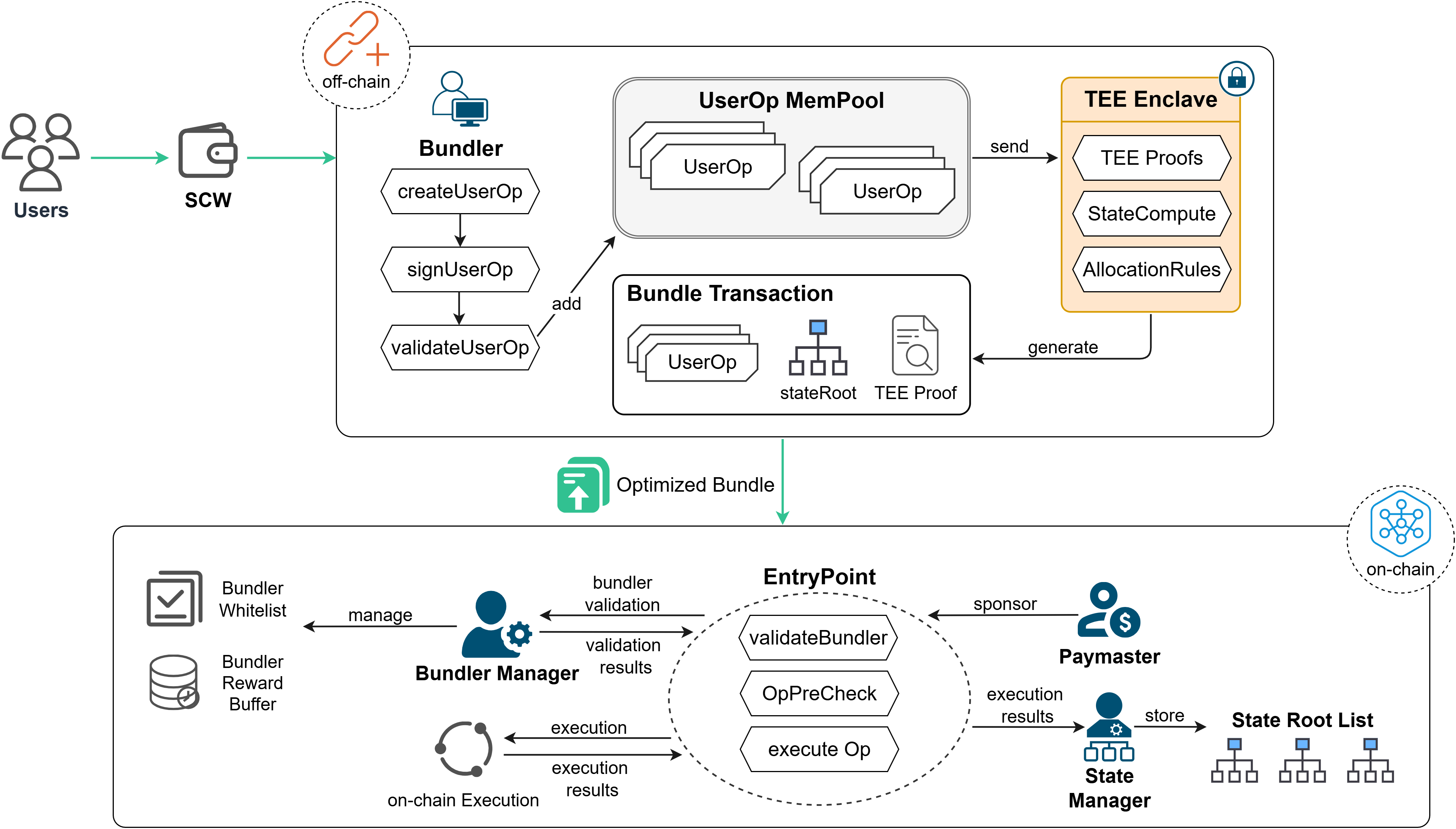
GasLiteAA: Secure Gas Sponsorship for ERC-4337
Blockchain Systems
GasLiteAA optimizes ERC-4337 account abstraction to enable efficient and secure gas sponsorship, cutting on-chain overhead to make blockchain transactions cheaper and more user-friendly.
Paper →